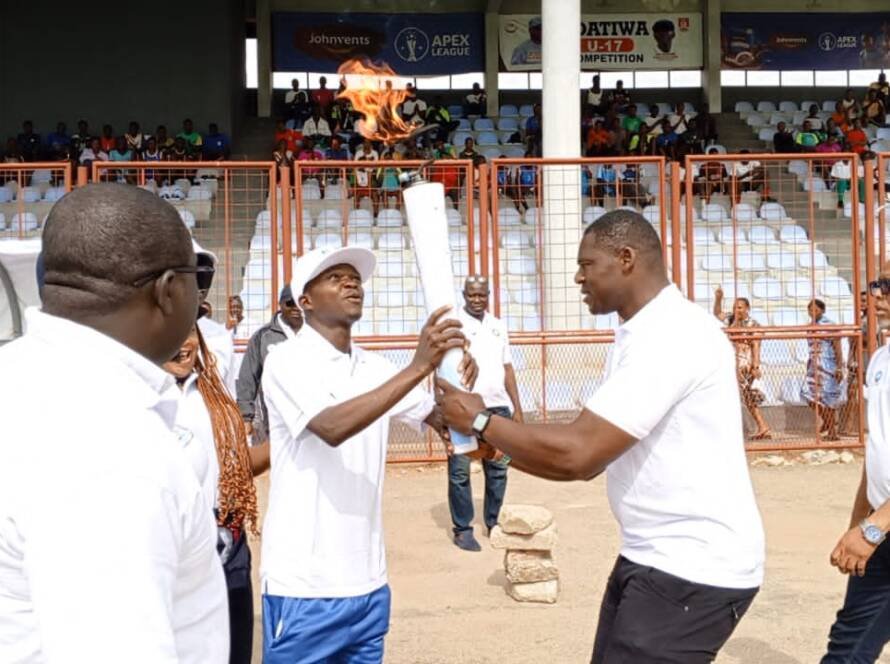
Two editions, nine states, thousands of young athletes, and a growing pathway from regional competition to national and international opportunities
The Niger Delta Games is beginning to establish themselves as more than just a sporting competition.
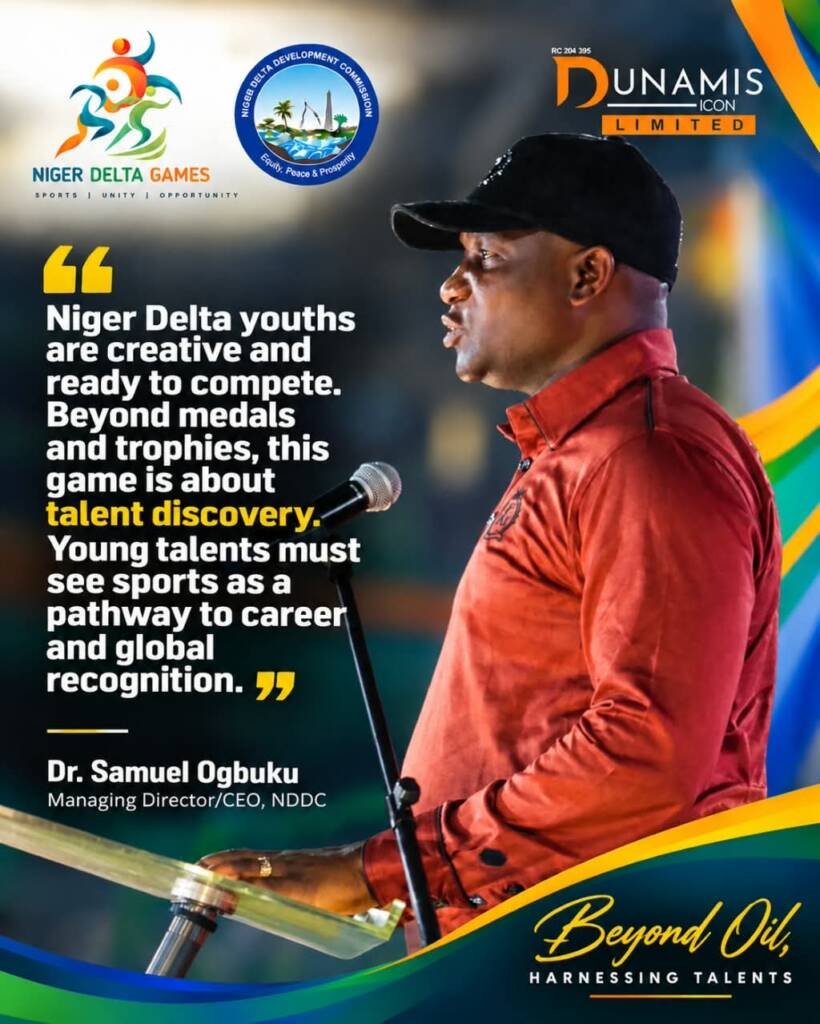
In the space of two editions, the initiative has evolved into an important platform for youth development, talent discovery and regional integration, providing young athletes across the nine Niger Delta states with opportunities to compete, develop their abilities and pursue pathways beyond the grassroots.
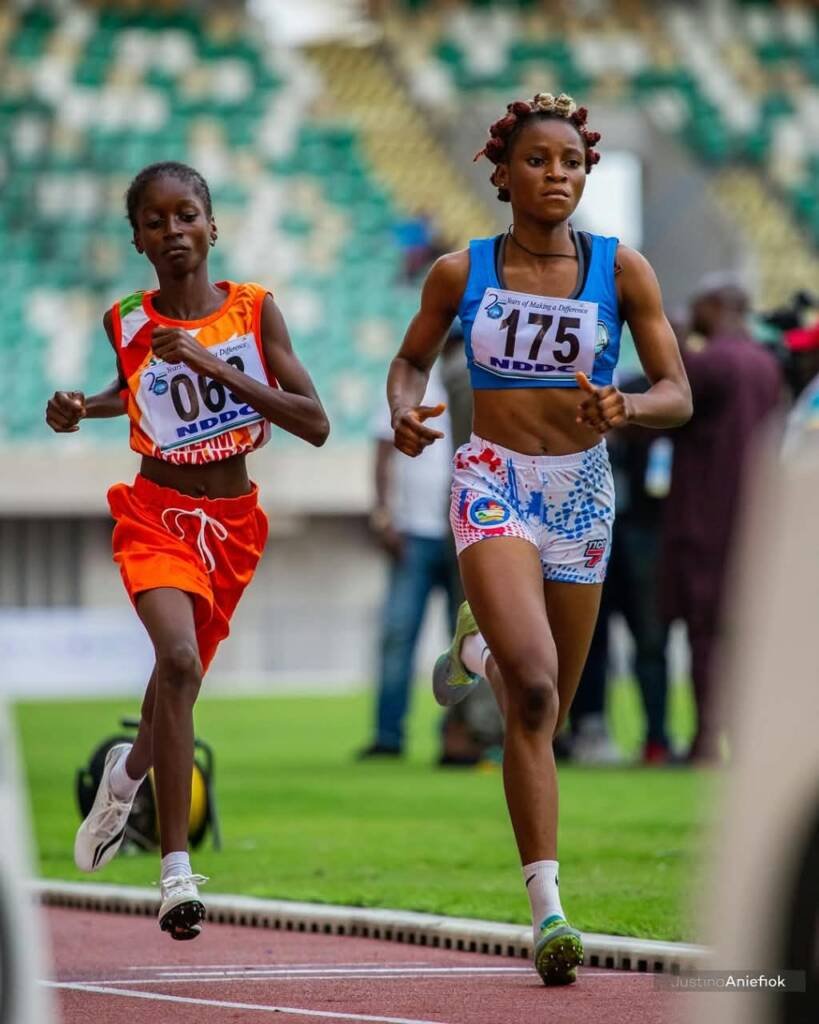
The journey began with the maiden Niger Delta Sports Festival in Uyo, Akwa Ibom State, in 2025, before the competition expanded into the Niger Delta Games in Edo State in 2026.
Across the two editions, the Games have brought together athletes, coaches, officials and sports stakeholders from the region, creating a common platform where sporting talent can be identified and nurtured while young people from different states interact, compete and build lasting relationships.
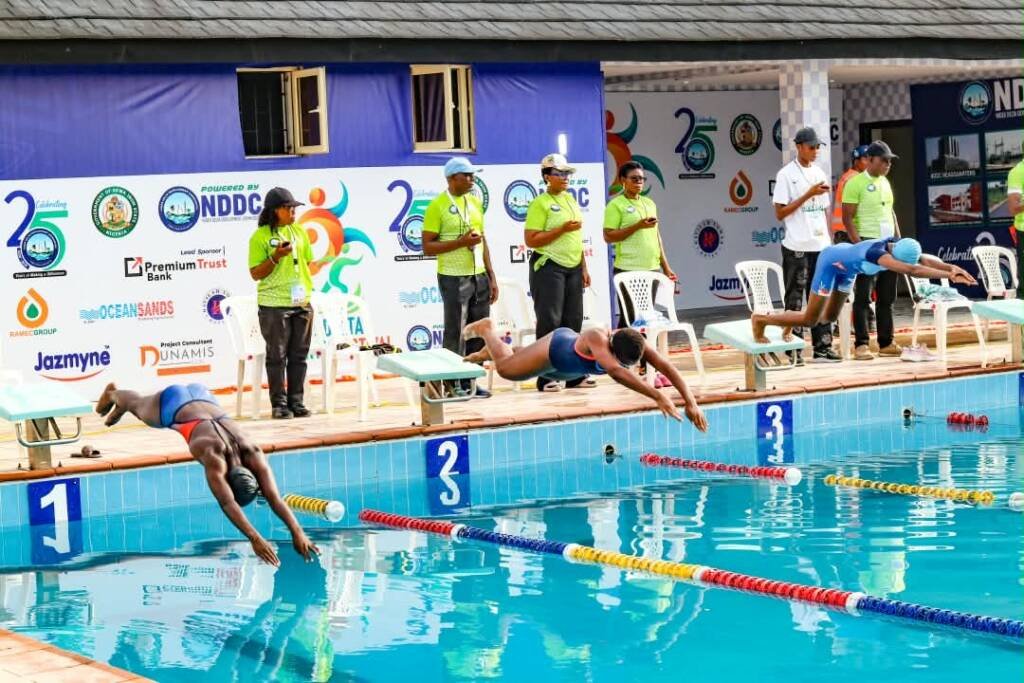
But perhaps the most important measure of the Games’ impact is what happens after the medals are won.
The true value of a grassroots sports programme is ultimately reflected in the opportunities it creates for its participants.

The Niger Delta Games are increasingly demonstrating that a young athlete’s participation does not have to end with the closing ceremony.
The Games provide platform where promising athletes can attract the attention of coaches, administrators, scouts and other stakeholders who can help them progress to higher levels of competition.
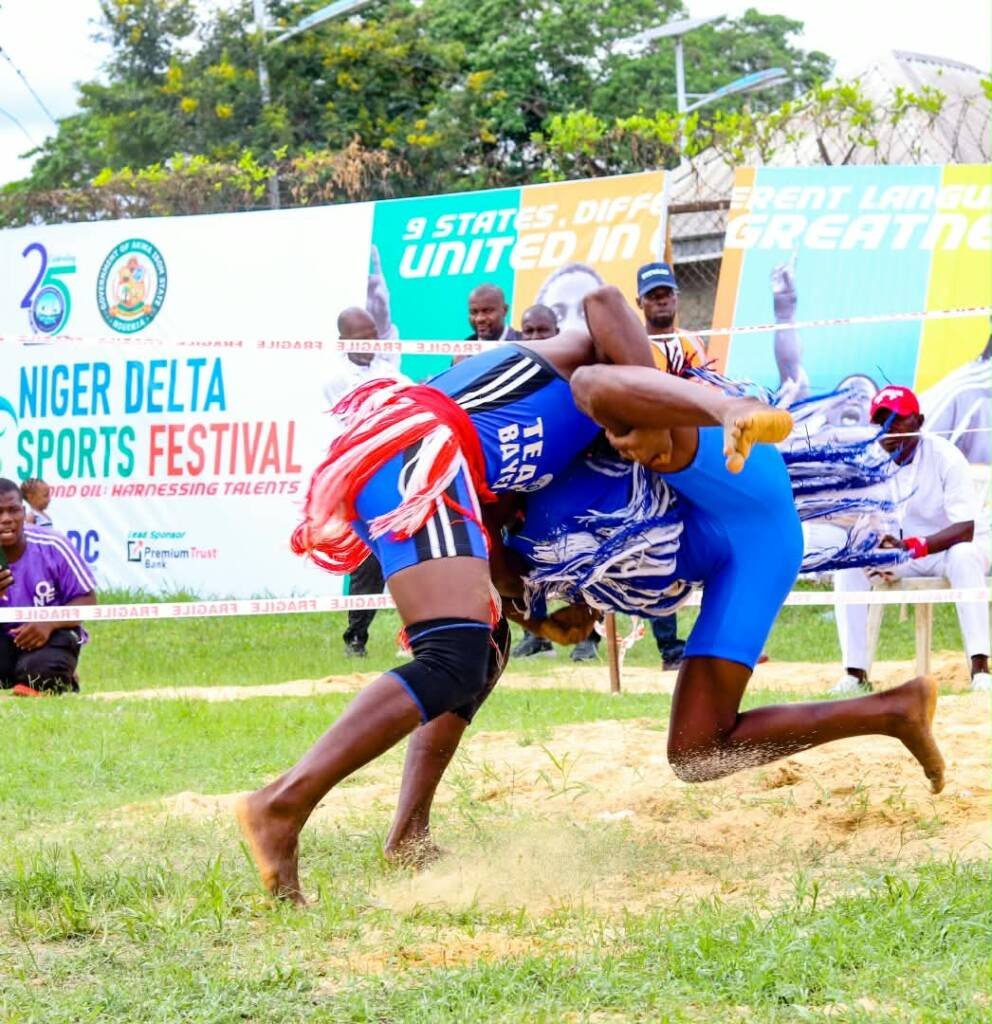
From the athletics track to the football pitch, basketball court and other sporting venues, the competition is creating an environment where young talents can test themselves against some of the best athletes within their age group and develop the confidence required to pursue bigger opportunities.
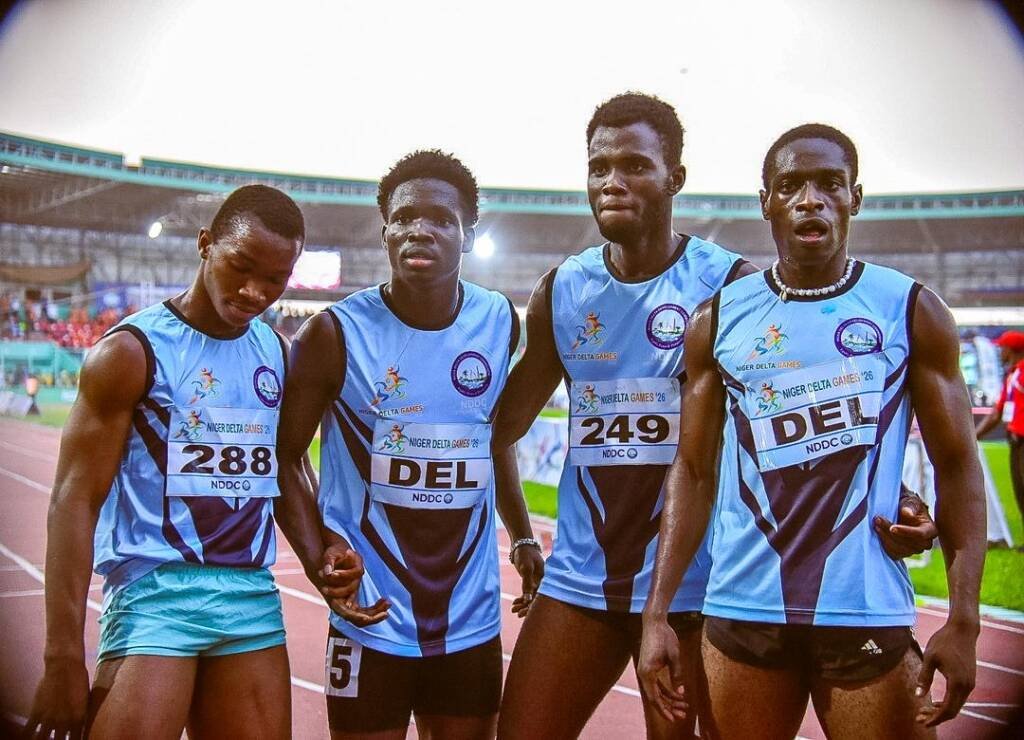
For many participants, simply making it to the Games represents an important step in their sporting journey.
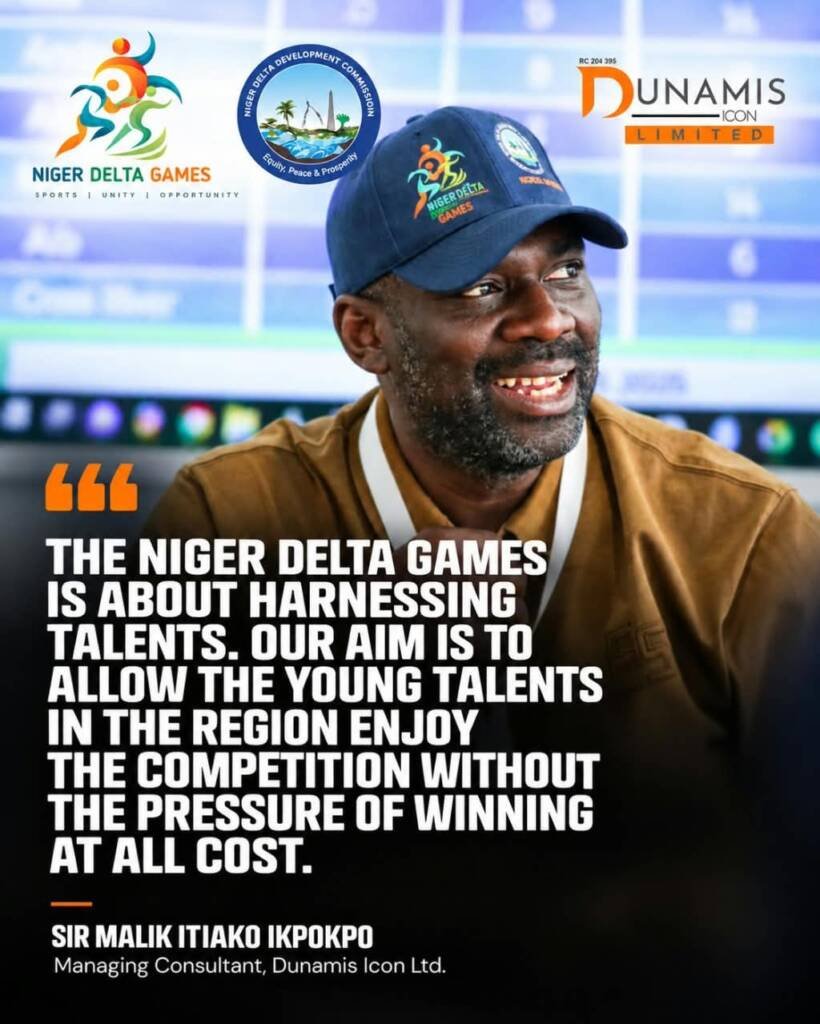
For others, it could become the beginning of a much bigger story
One of the clearest indications of the Games’ growing significance is the emergence of athletes whose careers have continued to progress after their participation.
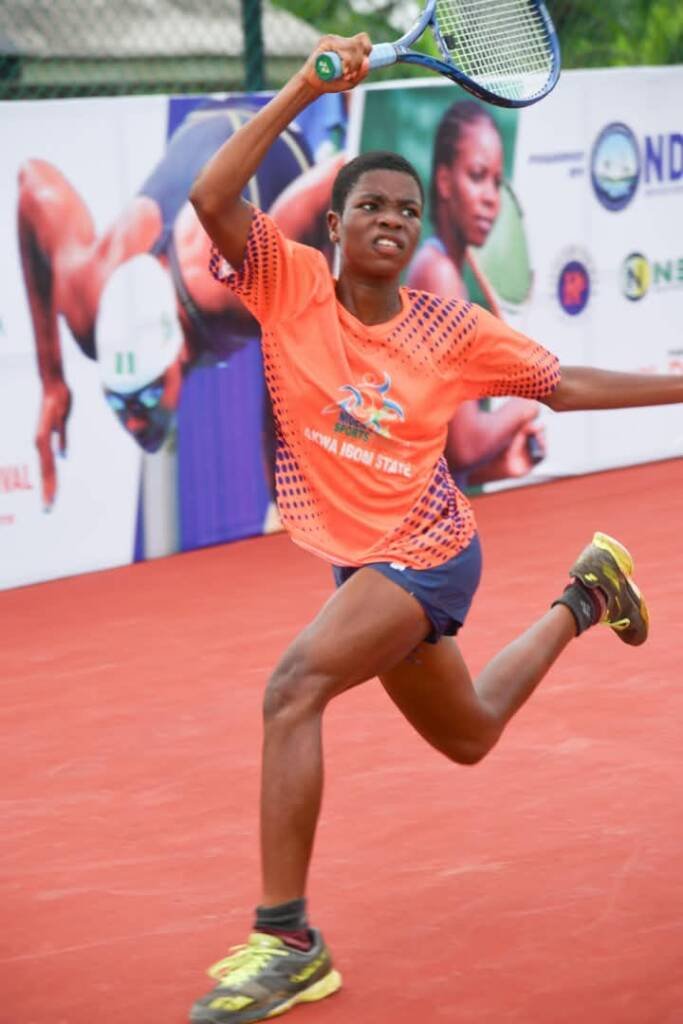
Some athletes discovered and showcased through the Games have subsequently earned opportunities at national camps, continental competitions and international championships, while others have attracted professional opportunities and opportunities outside Nigeria.

This emerging pathway gives the Games a significance that goes beyond the results recorded on the medal table.
An athlete who arrives at the Games as an unknown grassroots competitor can potentially leave with greater visibility, experience and access to opportunities that may ultimately lead to representing Nigeria.
Beyond talent discovery, the Games are also helping to strengthen the identity of the Niger Delta as a region with enormous sporting potential.

The participation of the nine Niger Delta states creates a unique environment in which athletes are able to compete against one another while also5 experiencing the cultures, traditions and diversity of neighbouring states.
Young people who may have had little or no opportunity to interact before the Games now share accommodation, training facilities, competition venues and experiences.
In this sense, the Games serve not only as a sporting event but also as a platform for regional integration, friendship and peaceful coexistence.

The Edo 2026 edition represented a major expansion of the initiative.
Hosted in Benin City, the Games brought together thousands of athletes and officials from the nine Niger Delta states, competing across a broad range of sporting disciplines.
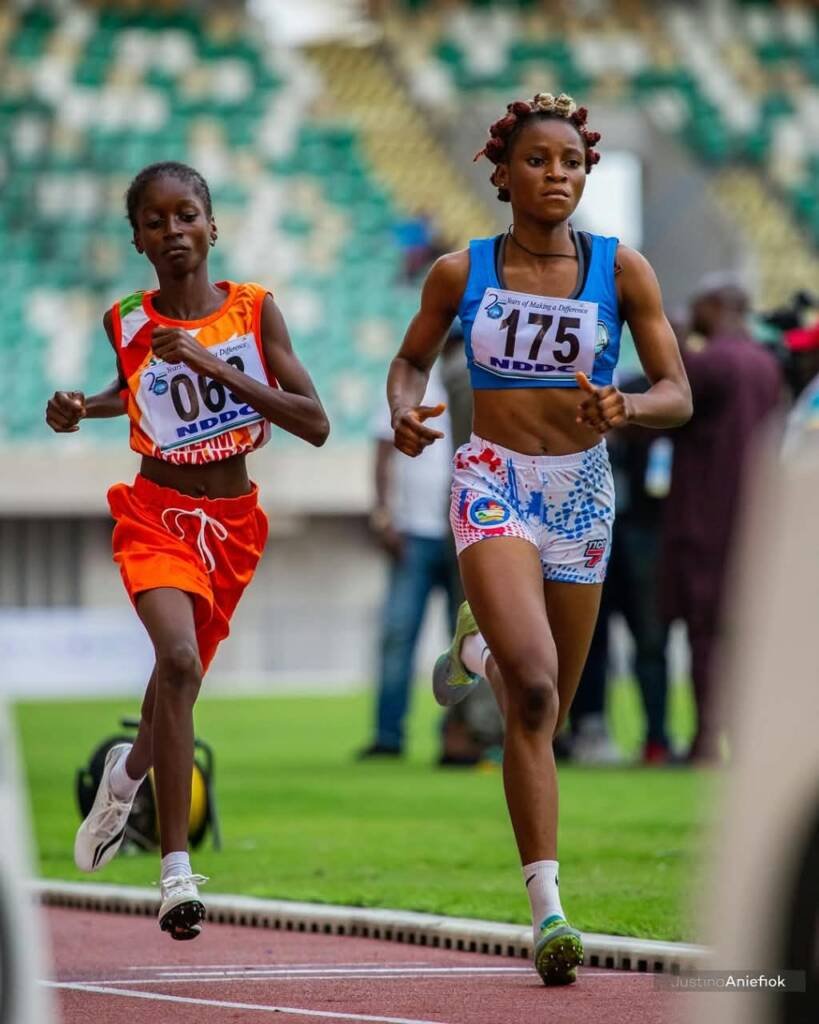
The scale of the competition demonstrated the appetite for structured sporting opportunities among young people in the region and reinforced the potential for the Games to become a permanent feature of the Niger Delta’s sporting calendar.
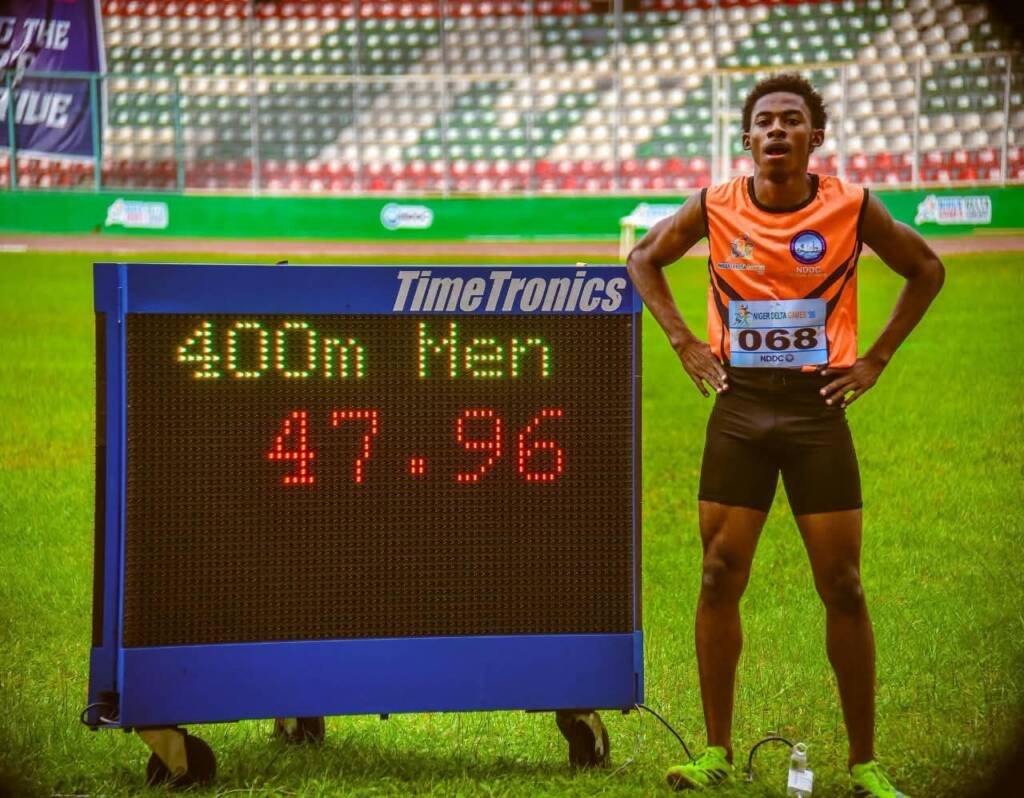
The performance of the athletes also provided an opportunity to identify new talents who could be followed and developed beyond the Games.
With Team Edo emerging as overall champions, followed by Team Delta and Team Bayelsa, the competition produced strong performances across several sports while giving athletes the opportunity to gain experience in a multi-sport environment.
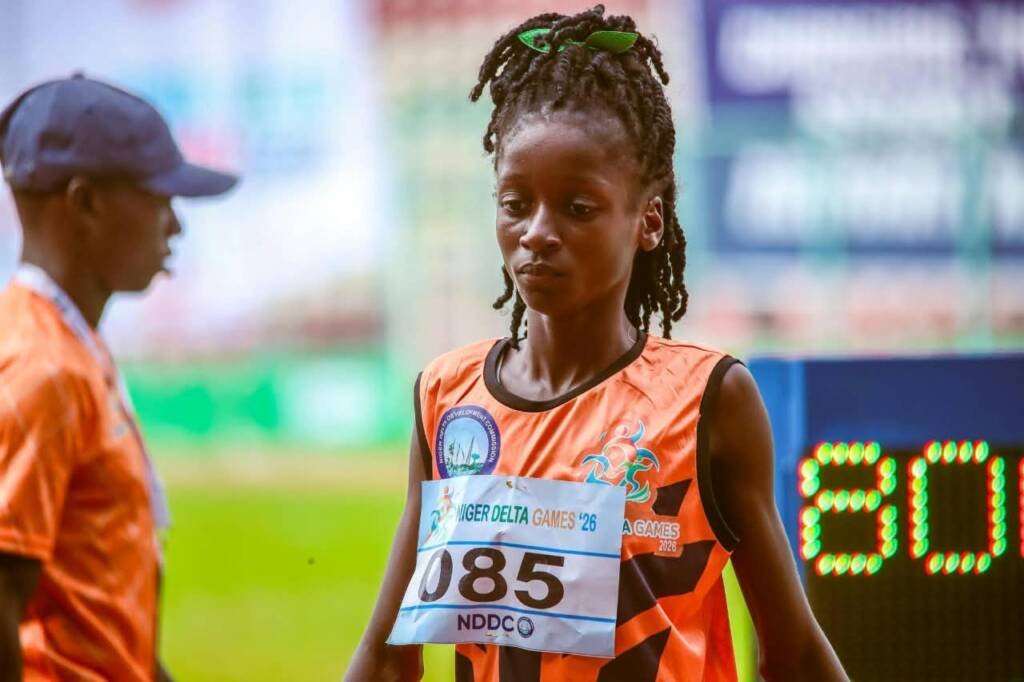
At the heart of the Niger Delta Games is a broader development philosophy: Beyond Oil, Harnessing Talents.
The message is particularly significant for a region whose young population represents one of its greatest assets.

Sport provides a practical avenue through which young people can develop discipline, teamwork, leadership, confidence and professional skills.
For exceptionally talented athletes, it can also become a pathway to professional careers, scholarships, national representation and international opportunities.
The Games therefore position sports not simply as entertainment, but as an instrument of human-capital development.
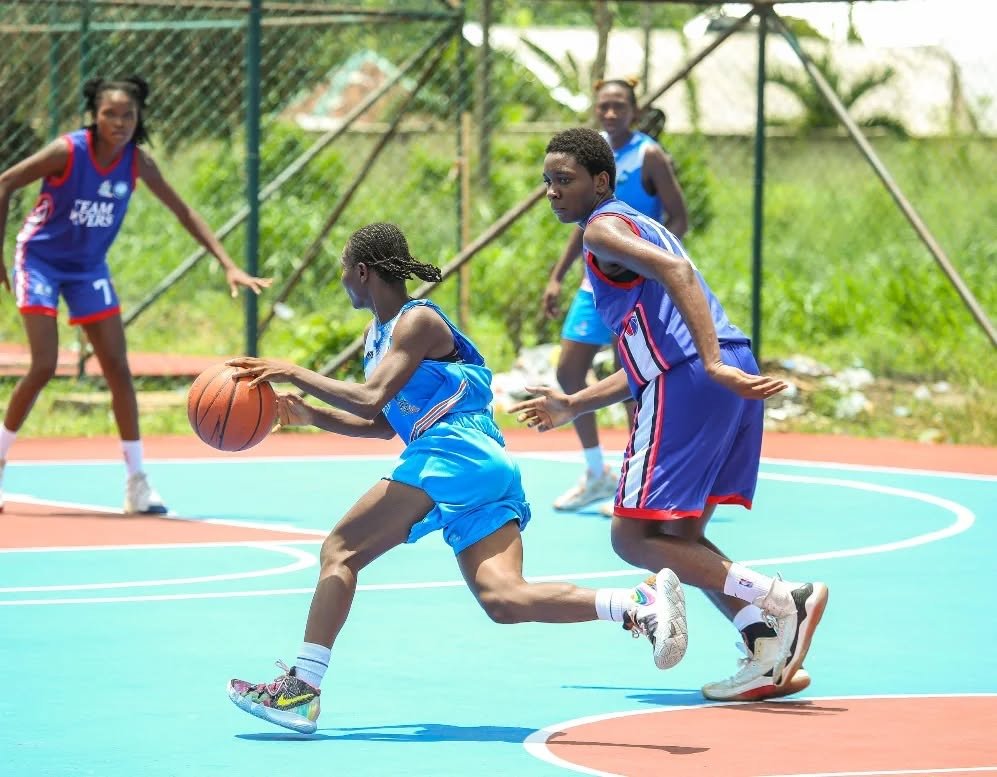
The next stage of the Niger Delta Games will be determined by how effectively the platform can convert discovery into sustained development.
The long-term ambition should be to ensure that athletes identified at the Games can be tracked, supported and provided with opportunities to continue their development throughout the year.

That means strengthening talent identification, coaching development, athlete monitoring, sports science, access to facilities, scholarships, professional club connections and pathways into national teams.
If these structures continue to develop, the Games can become more than an annual gathering of young athletes.
But their first two editions have already demonstrated what is possible when young athletes are given a platform to compete, be discovered and dream beyond their immediate surroundings.

The medals will remain part of the history of Uyo 2025 and Edo 2026.
But the greater legacy may ultimately be found in the athletes whose careers continue to grow long after the Games have ended, those who progress to national teams, continental championships, international competitions, professional clubs and opportunities beyond Nigeria.
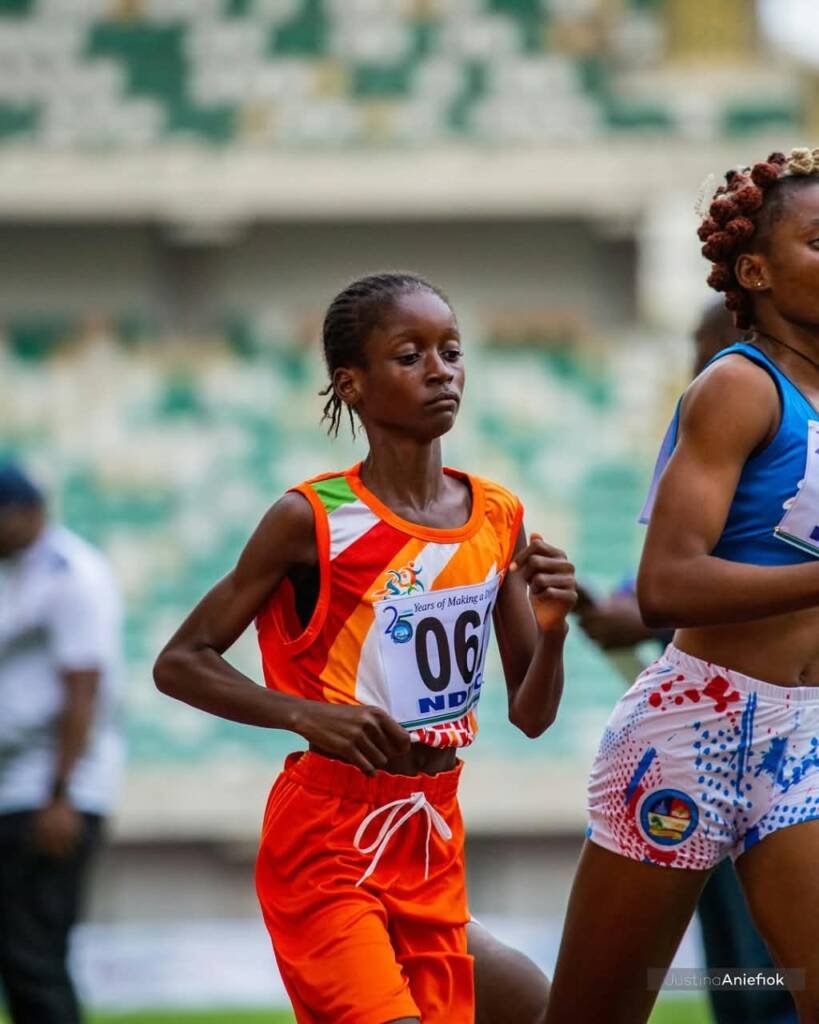
The ambition, therefore, should not simply be to stage bigger Games every year.
It should be to discover more talent, develop more athletes and create more pathways from the Niger Delta to the world.
Because the most important victory of the Niger Delta Games may not be the medal won on the final day.
It may be the career that begins because an athlete was given the opportunity to compete.